If you picture Malibu as an easy second-home purchase, think again. A weekend retreat here can be a beautiful long-term lifestyle decision, but it also asks you to think carefully about how you want to spend your time, what kind of setting fits you best, and how much hands-on ownership you are prepared to manage. If you are considering owning a weekend retreat home in Malibu, this guide will help you compare the experience of beachfront and canyon living, understand key city rules, and think more strategically about long-term use. Let’s dive in.
Why Malibu Works for Weekend Living
Malibu offers a rare combination of coastline and mountain access in one market. The city spans a 21-mile coastline, and the surrounding Santa Monica Mountains include more than 500 miles of public trails, which gives you more than one version of a retreat lifestyle.
That variety matters when you are buying a home you may use for years. For some owners, Malibu means surf in the morning and dinner near the coast. For others, it means quiet canyon mornings, hiking access, and a place to unplug without leaving Los Angeles County.
Malibu also comes with a distinct ownership framework. The entire city sits within the California coastal zone, so development and activity within city limits are generally subject to the City’s Local Coastal Program and coastal development permit process.
Beachfront vs Canyon Homes
Choosing the right retreat often comes down to your real weekend habits. The question is not just which home looks best in photos. It is which setting will feel easy, rewarding, and manageable every time you arrive.
Beachfront and Bluffside Appeal
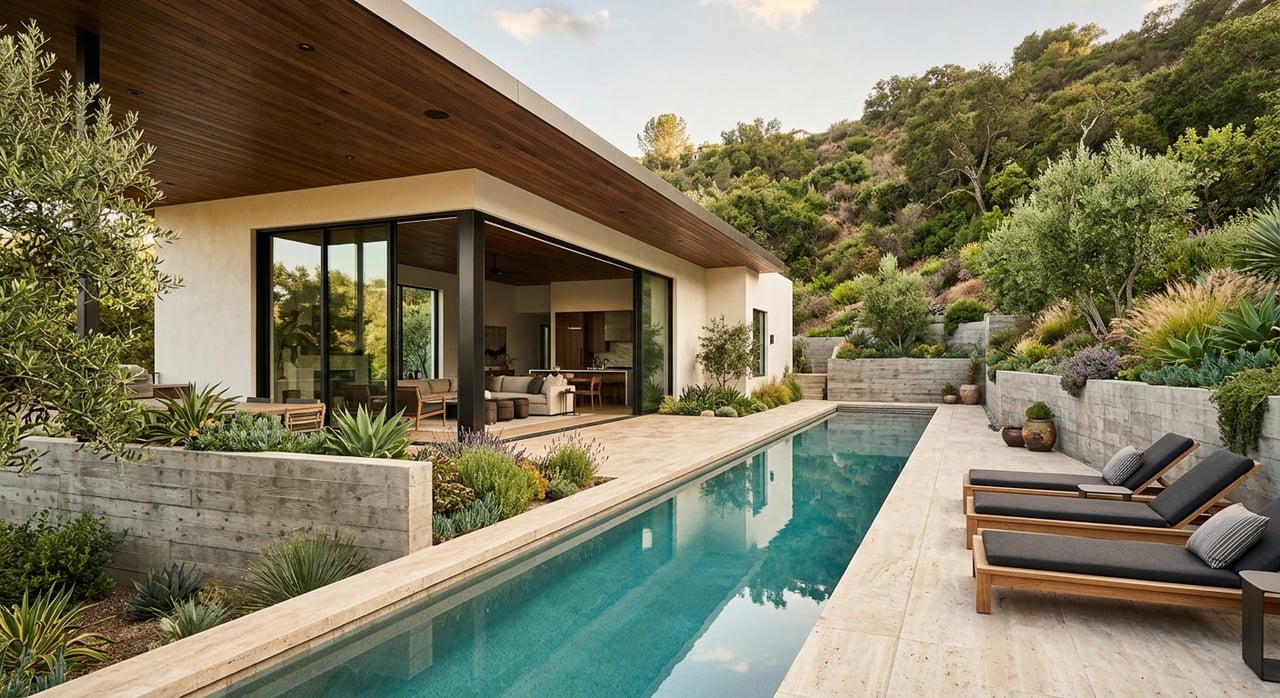
If you want the classic Malibu experience, beachfront or bluff-adjacent homes usually deliver it most directly. You may be prioritizing ocean views, immediate beach access, surfing, and the kind of coastal routine that feels different the moment you pull in.
Malibu’s public beaches include Malibu Surfrider, Westward Beach, and Zuma Beach. The city notes that these beaches have public parking lots, bathrooms, and staffed lifeguard towers, which helps show how strong the area’s recreational infrastructure can be for regular weekend use.
Point Dume adds another layer of appeal. The area is known for rocky coves, cliffs, swimming, scuba diving, surfing, and seasonal whale watching, which makes it especially attractive if you want a retreat centered on outdoor coastal recreation.
Beachfront Trade-Offs to Weigh
The lifestyle payoff of being right on or near the water can be powerful, but exposure is part of the equation. Malibu’s 2026 Coastal Vulnerability Assessment highlights future risks tied to sea-level rise, tidal inundation, storm flooding, and coastal erosion.
For you as a buyer, that means a beachfront property deserves close attention beyond the view itself. Over time, shoreline change, access considerations, and long-range resilience can affect how the home functions and how you feel about holding it.
Practical access also matters more than many buyers expect. The city notes that Point Dume uses fee-based parking, Zuma has plenty of fee-based parking, and Westward Beach has limited street parking, while many public access paths between homes do not include bathrooms, trash containers, or lifeguards.
Canyon and Hillside Retreats
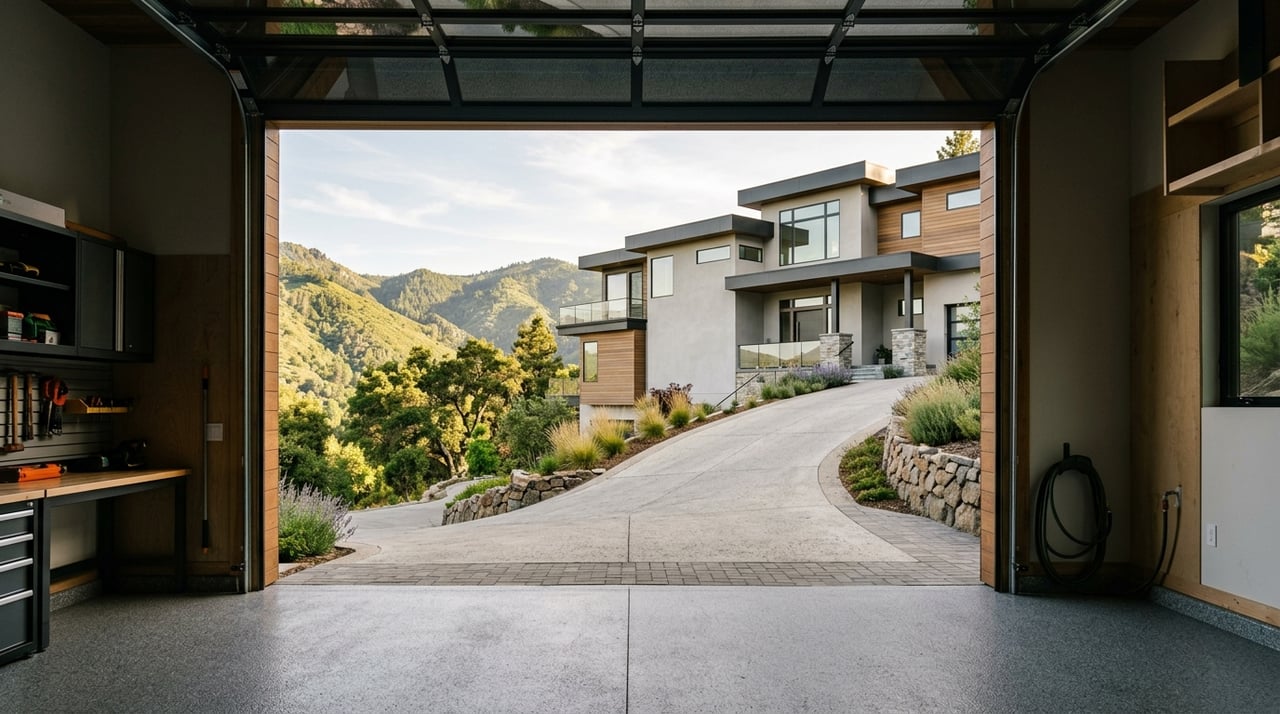
If your ideal weekend looks quieter and more private, a canyon or hillside home may be the better fit. These homes often appeal to buyers who want a tucked-away feel and place more value on space, views, and trail access than on stepping directly onto the sand.
This side of Malibu has real recreational depth. Malibu Creek State Park spans more than 8,000 scenic acres with canyons, gorges, and meadows, and Solstice Canyon offers a 2.1-mile round-trip hike with a waterfall, ruins, and ocean views at the top.
The broader Santa Monica Mountains trail system adds even more flexibility for year-round use. If you want a retreat that still feels active in cooler months or on non-beach weekends, canyon living can support that pattern well.
Fire Readiness Is Part of Ownership
The main trade-off in canyon and hillside settings is wildfire exposure. The city identifies wildfire as Malibu’s number one public safety threat and notes that thousands of homes in Malibu and surrounding areas sit in the wildland-urban interface.
That makes preparedness part of the ownership conversation from the start. If you are considering a canyon or hillside property, it is wise to think about defensible space, brush clearance, evacuation routes, and emergency alert systems as part of the home’s day-to-day stewardship.
The city also offers home wildfire assessments and brush-clearance guidance. For a weekend owner, that is especially important because a second home still needs the same level of readiness as a primary residence.
Think About How You Will Actually Use It
One of the biggest mistakes second-home buyers make is choosing a property for an idea rather than a routine. Malibu works best as a weekend retreat when the home matches the way you truly want to spend your time.
If your weekends revolve around beach walks, surfing, and hosting guests near the water, a more coastal property may justify the trade-offs. If you are looking for privacy, quiet mornings, and hiking access, a canyon setting may serve you better over time.
This is also where location within Malibu becomes practical, not just aspirational. The city’s restaurant listings suggest dining clusters along Civic Center Way and Cross Creek Road, Malibu Road, Pacific Coast Highway, Heathercliff Road, Stuart Ranch Road, and Westward Beach Road, so proximity to those corridors can shape how effortless your weekends feel.
Traffic, Access, and Seasonal Rhythm
Malibu can feel very different depending on the season. The city notes that Memorial Day weekend marks the start of the busy summer beach season, and its summer safety messaging focuses on Pacific Coast Highway traffic, beach parking, and beach safety.
If you will be coming and going on weekends, this matters. A home that feels peaceful in February may experience a very different rhythm in July, especially if guest arrivals, parking, or road access are part of your regular use.
That does not make one location better than another. It simply means the best retreat is often the one whose access and setting align with your tolerance for seasonal activity.
Rental Plans Need a Careful Review
Some buyers hope a weekend retreat might occasionally help offset carrying costs. In Malibu, that is not something to assume.
The city states that homes or other structures rented for 30 days or less require a permit and are subject to transient occupancy tax. The current ordinance framework also says hosted short-term rentals of single-family homes, and limited multifamily units, are allowed only with an active short-term rental permit and compliance with city requirements.
If rental use is part of your ownership strategy, city rules should be reviewed before you buy, not after. That step can help you avoid building your numbers around a use case the property may not support.
Preparedness Matters for Second Homes
A Malibu retreat should be treated like a fully functioning residence, even if you only use it part time. The city notes that disasters can cause long-lasting power, landline, cell, and internet outages, which is a serious consideration for absentee owners.
The city also encourages emergency alerts and disaster notifications. If you will not be at the property every week, having a clear preparedness plan becomes part of owning well.
This is especially true for homes in hills, canyons, or more exposed coastal locations. In practice, the ease of retreat ownership often depends as much on preparation as on design or view.
A Simple Malibu Retreat Checklist
If you are narrowing down options, these are the core questions worth asking:
- How close do you want to be to the water?
- How much privacy do you want on weekends?
- Do you want direct beach access or nearby access?
- Will you use the home year-round or mostly in summer?
- Are hiking and trail access part of your ideal routine?
- Are you comfortable managing wildfire or coastal-readiness issues?
- Do you want to host guests often?
- Are you considering any rental use that must be checked against city rules?
- How important are dining access and easier in-town errands?
- How much ongoing stewardship are you comfortable handling from afar?
The right answer is usually not the most iconic version of Malibu. It is the version that supports your actual lifestyle with the least friction.
Owning a weekend retreat home in Malibu can be incredibly rewarding when the property fits how you plan to live, host, and recharge over time. If you want a strategic, polished approach to evaluating coastal and canyon options, Jennifer Purdue can help you think through the purchase with clarity and discretion.
FAQs
What makes Malibu a strong market for a weekend retreat home?
- Malibu combines a 21-mile coastline with access to the Santa Monica Mountains and more than 500 miles of public trails, which gives you both beach and canyon lifestyle options in one market.
What is the difference between beachfront and canyon homes in Malibu?
- Beachfront and bluffside homes usually offer stronger ocean access and classic coastal living, while canyon and hillside homes often offer more privacy, a tucked-away feel, and easier access to hiking.
What should buyers know about coastal risk for Malibu beachfront homes?
- Malibu’s 2026 Coastal Vulnerability Assessment highlights sea-level rise, tidal inundation, storm flooding, and coastal erosion, so beachfront buyers should think about long-term shoreline change and resilience.
What should buyers know about wildfire risk for Malibu canyon homes?
- The city identifies wildfire as Malibu’s top public safety threat, so canyon and hillside buyers should plan for defensible space, brush clearance, evacuation routes, and emergency preparedness.
Can you use a Malibu weekend home as a short-term rental?
- Homes rented for 30 days or less require a permit and are subject to transient occupancy tax, and hosted short-term rentals are allowed only with an active city permit and compliance with current requirements.
Why does traffic matter when buying a Malibu retreat home?
- Malibu’s summer beach season can bring heavier Pacific Coast Highway traffic and busier parking conditions, which can affect how easy it is for you and your guests to use the property on weekends.