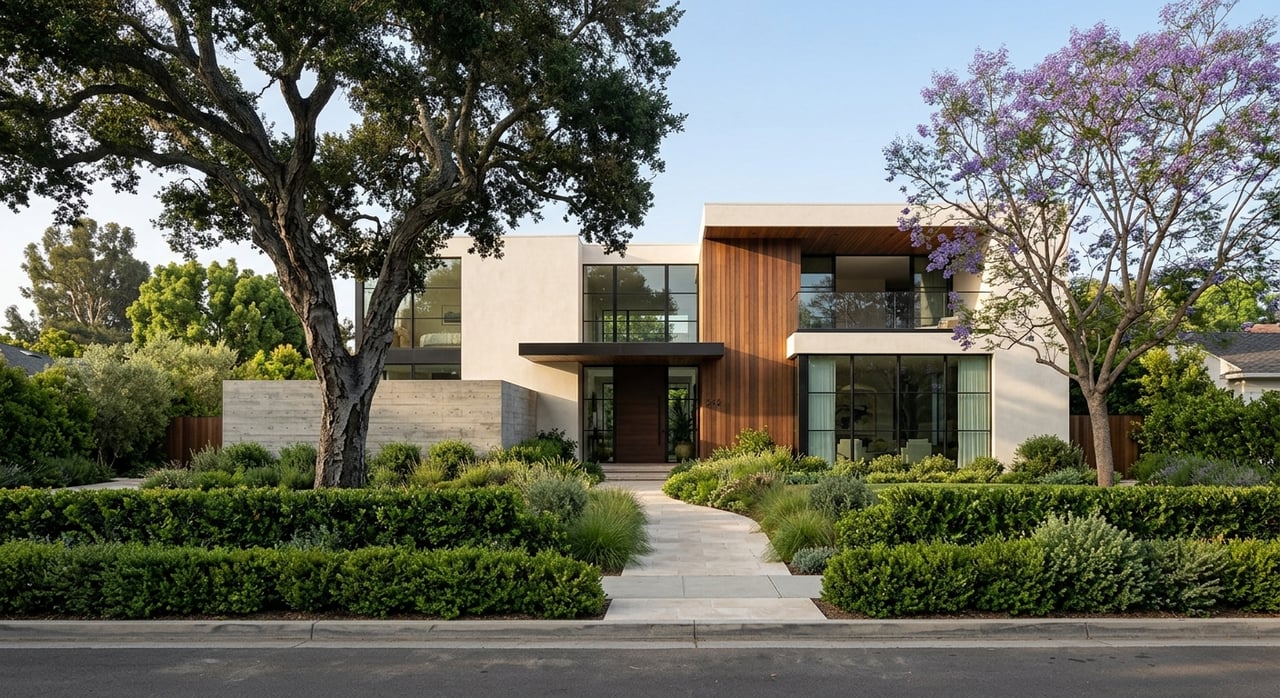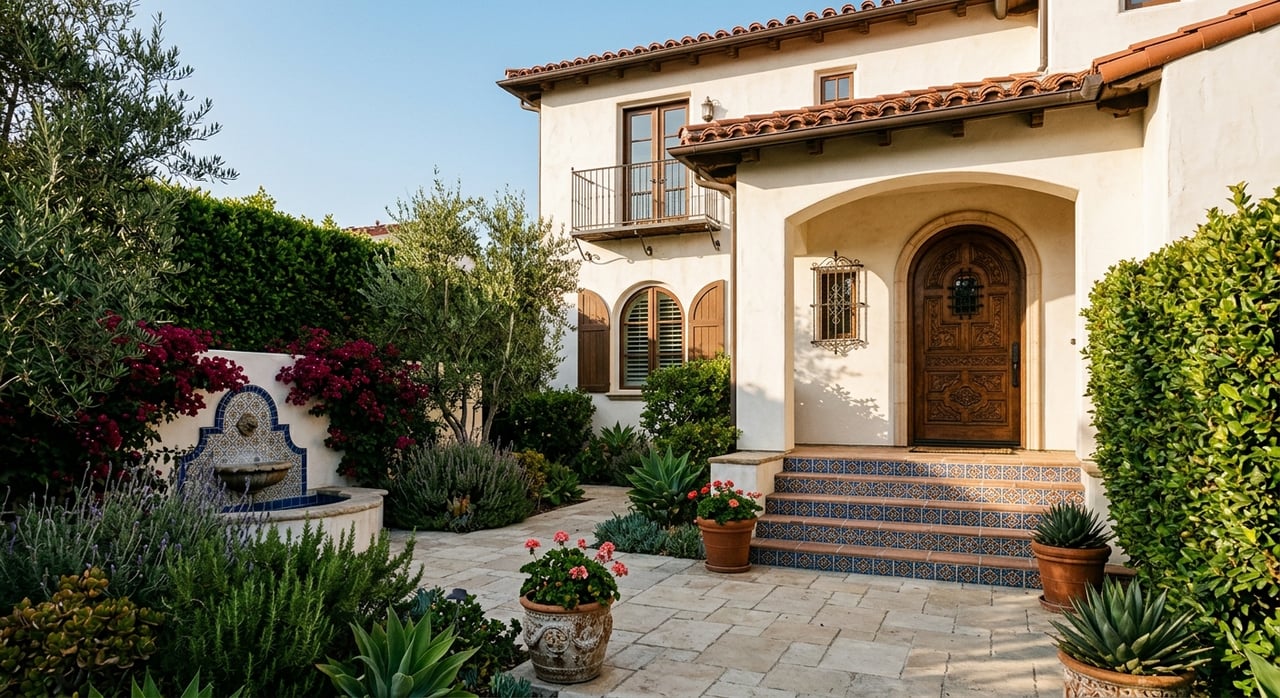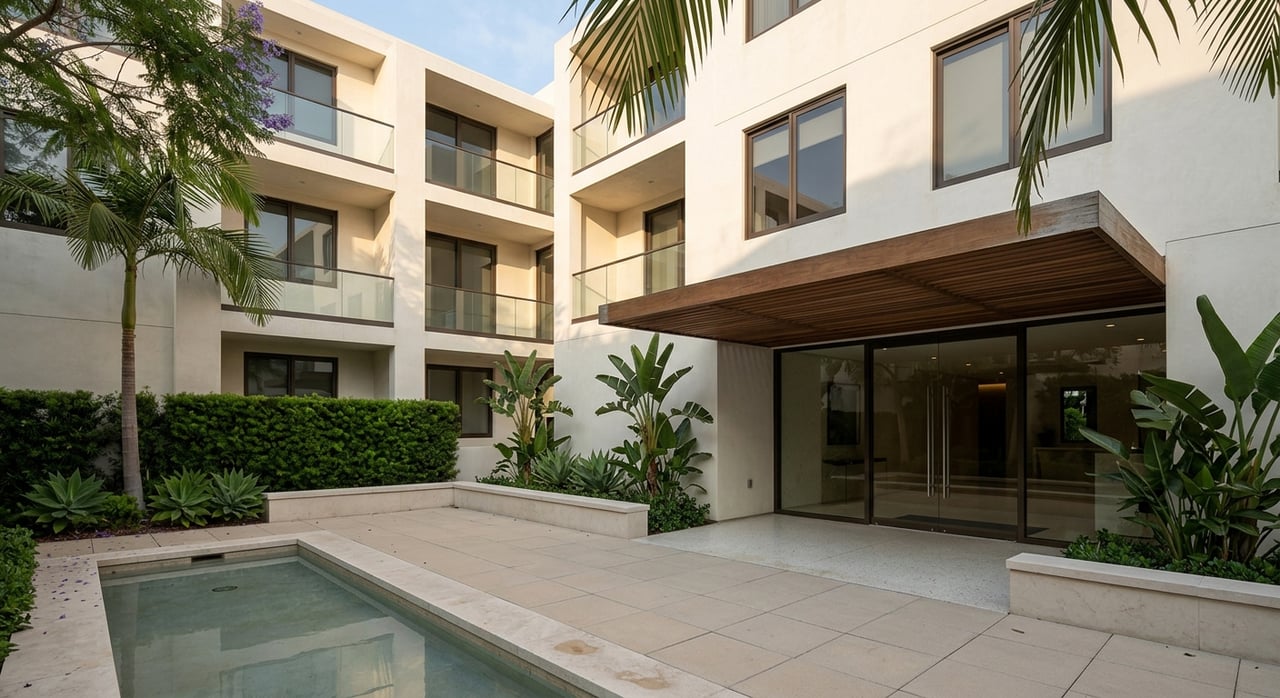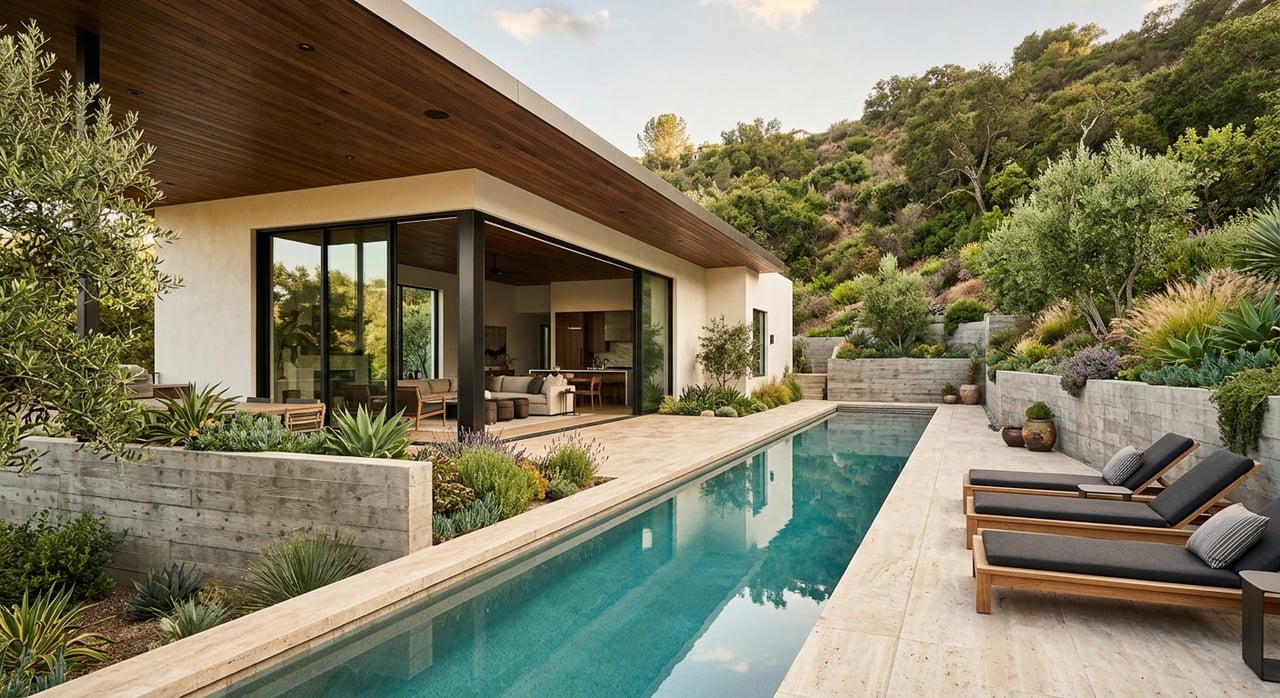
What does daily life in Bel Air actually feel like once you get beyond the gates, hedges, and hillside roads? If you are considering a move here, you are probably looking for more than a famous ZIP code. You want to understand the pace, the routines, and the tradeoffs that shape everyday living. This guide walks you through what Bel Air’s hillside enclaves are really like, from privacy and driving patterns to outdoor access and nearby lifestyle hubs. Let’s dive in.
Bel Air feels private by design
Bel Air sits within the larger Bel Air-Beverly Crest Community Plan area, which the City of Los Angeles describes as stretching south of Mulholland Drive, north of Sunset Boulevard, east of the 405 Freeway, and west of Laurel Canyon Boulevard, Wonderland Drive, and Beverly Hills. The plan area covers about 9,900 acres and is predominantly single-family, with only limited multi-family pockets and a small number of commercial nodes. That larger framework helps explain why the area feels residential first.
The sense of privacy here is not just a branding idea. City planning documents specifically emphasize preserving low density, natural topography, scenic views, and open land. They also describe secluded areas that are free from through-traffic, which gives many parts of Bel Air a tucked-away feel even though you are still inside Los Angeles.
In some enclaves, privacy is reinforced even further through controlled access. Bel Air Crest, for example, is referenced in a neighborhood-council notice that mentions gatehouse access and gate entry. For many buyers, that combination of winding hillside streets, limited pass-through traffic, and private residential form becomes one of the neighborhood’s biggest draws.
Daily life is calm and car-based
One of the most important things to know about everyday life in Bel Air is that it is not built around a walk-everywhere routine. The city plan identifies commercial activity in a handful of concentrated locations, including upper Roscomare Road, Beverly Glen Circle, Sepulveda Boulevard and Moraga Drive, and two spots in Beverly Glen Canyon. In other words, amenities are present, but they are not spread evenly throughout the hills.
The same planning documents note deficiencies in major north-south streets for automobile capacity and call out the need for public transportation improvements. In practical terms, daily life here is largely shaped by driving. Whether you are heading to a meeting, running errands, or meeting friends for dinner, your routine will likely center on a few key corridors in and out of the neighborhood.
That does not mean Bel Air feels disconnected. It means your lifestyle tends to be quieter at home and more destination-based once you leave it. Many residents value that separation because it allows the neighborhood itself to stay low-key and residential.
Nearby hubs support the lifestyle
Because Bel Air’s commercial footprint is limited, many daily needs and social plans connect to nearby districts. Westwood is one of the most practical examples. UCLA describes Westwood LA as offering a broad mix of restaurants, shopping, cafés, stores, and entertainment in a walkable core.
Century City is another frequent point of connection. Westfield Century City brings together luxury boutiques, casual dining, and entertainment in an outdoor shopping setting. If you want a polished retail stop or an easy place to combine errands with lunch or dinner, that kind of nearby access adds convenience to hillside living.
Beverly Hills also plays a role in the rhythm of the area. The city highlights Restaurant Row on La Cienega, Canon Drive’s Little Restaurant Row, and a strong al fresco dining culture. For you as a resident, that means Bel Air often functions as the peaceful home base, while nearby neighborhoods provide much of the dining and shopping variety.
Open space shapes the experience
Bel Air’s connection to open land is not just visual. It is part of how the area is planned and experienced. The city identifies proximity to wilderness areas as a major opportunity and calls for conserving open land for park and recreational use.
That matters because it gives hillside living a different texture from denser parts of Los Angeles. Views, canyons, and natural contours are not just backdrops. They help define how the neighborhood feels day to day, from morning light across the hills to quieter streets that follow the land rather than a strict grid.
For many residents, this connection to landscape is part of the appeal. You are close to major city destinations, but the setting itself often feels more removed and grounded in terrain, elevation, and open sky.
Franklin Canyon adds everyday access
Franklin Canyon Park is one of the clearest examples of how outdoor recreation supports Bel Air living. The National Park Service says the 605-acre park sits between Beverly Hills and the San Fernando Valley and offers beginner-to-intermediate hiking trails, a stroller-friendly reservoir loop, birdwatching, and a nature center. That range makes it useful for many kinds of routines, from a casual walk to a more active weekend morning.
The value here is not just recreation. It is flexibility. When a neighborhood offers quick access to a park with varied trails and natural scenery, outdoor time can become part of your regular week rather than something you plan far in advance.
The city plan also notes that county land in Franklin Canyon is part of the Santa Monica Mountains National Recreation Area. That reinforces how closely this part of Los Angeles is tied to preserved land and hillside open space.
Culture and views are close by
Bel Air’s hillside identity also connects to cultural destinations with strong visual settings. The Getty Center is a notable example. Getty describes its campus as sitting on a hilltop in the Santa Monica Mountains with panoramic views stretching from the Pacific Ocean to the San Gabriel Mountains.
For residents, places like this add another layer to the lifestyle. You are not only near dining and shopping hubs. You are also close to destinations that reflect the same sense of elevation, space, and long-range views that make the hills appealing in the first place.
Will Rogers State Historic Park, farther west, adds hiking trails, horseback riding, picnic areas, and vista points. California State Parks has also listed ongoing recovery planning and a temporary closure on the West Inspiration Loop trail and road as of June 14, 2026, which is a good reminder that trail access can vary depending on current conditions.
Community life includes coordination
Bel Air may feel quiet and tucked away, but that does not mean it runs on autopilot. The Bel Air-Beverly Crest Neighborhood Council says it represents hillside communities from Laurel Canyon to Sepulveda Boulevard and from Sunset Boulevard to Mulholland Drive, with roughly 28,000 residents and more than 35 residential associations, schools, businesses, and faith-based institutions connected to its orbit.
That level of civic structure matters in a hillside setting. The neighborhood council says it works on traffic mitigation, emergency preparedness, and other quality-of-life issues. Its listed accomplishments include road-safety efforts, fire-safety kits, and Red Flag Day access for firefighters.
For you, that is an important part of the real picture. Living in Bel Air can mean privacy, views, and a calm residential setting, but it also comes with practical considerations tied to access, road conditions, and hillside safety. These are normal parts of daily life in a topographically complex neighborhood.
What buyers should keep in mind
If you are thinking about buying in Bel Air, it helps to look beyond square footage and finishes. Everyday livability here is shaped by location within the hills, route access, and proximity to the commercial and cultural nodes you use most often. Two homes may share the same neighborhood name but offer very different daily rhythms.
A few details can make a meaningful difference:
- Your most common routes in and out of the neighborhood
- How close you are to nearby dining, shopping, and services
- The level of privacy created by topography and road placement
- Access to outdoor spaces like Franklin Canyon
- The practical realities of hillside living, including traffic and safety planning
For many buyers, Bel Air works best when the lifestyle matches the setting. If you want a calm, residential home base with strong privacy and close ties to the rest of Los Angeles by car, the area can be a compelling fit.
Why Bel Air stands apart
Bel Air’s hillside enclaves offer a distinct version of Los Angeles living. The neighborhood is shaped by low density, scenic topography, and limited through-traffic, which gives it a notably private and residential feel. At the same time, it remains connected to hubs like Westwood, Beverly Hills, and Century City for the parts of daily life that happen beyond the hills.
That balance is what often makes the area so appealing. You get seclusion without being fully removed from the city, and you get access to open space without giving up proximity to major destinations. If you are evaluating Bel Air, understanding that day-to-day rhythm is just as important as understanding the homes themselves.
If you want thoughtful guidance on Bel Air and other Los Angeles luxury neighborhoods, Jennifer Purdue offers strategic, highly personalized support for buying, selling, leasing, and long-term property decisions.
FAQs
What is everyday life like in Bel Air?
- Everyday life in Bel Air is generally quiet, private, and car-based, with most residential areas shaped by low density, hillside roads, and limited through-traffic.
Is Bel Air a walkable neighborhood for daily errands?
- Bel Air is not primarily a walkable district for everyday errands, since commercial activity is concentrated in a few nodes and many residents rely on driving to nearby hubs.
Where do Bel Air residents go for dining and shopping?
- Many Bel Air residents look to nearby areas such as Westwood, Beverly Hills, and Century City for restaurants, shopping, and entertainment.
What outdoor spaces are near Bel Air?
- Nearby outdoor options include Franklin Canyon Park, which offers hiking trails, a reservoir loop, birdwatching, and a nature center, along with other hilltop and park destinations in the surrounding area.
What makes Bel Air feel so private?
- Bel Air’s privacy comes largely from its low-density residential form, natural topography, scenic open land, and secluded streets with limited through-traffic.
What practical issues should buyers consider in Bel Air?
- Buyers should pay attention to driving routes, access in and out of the hills, proximity to the destinations they use most, and hillside-specific considerations such as traffic flow and emergency preparedness.