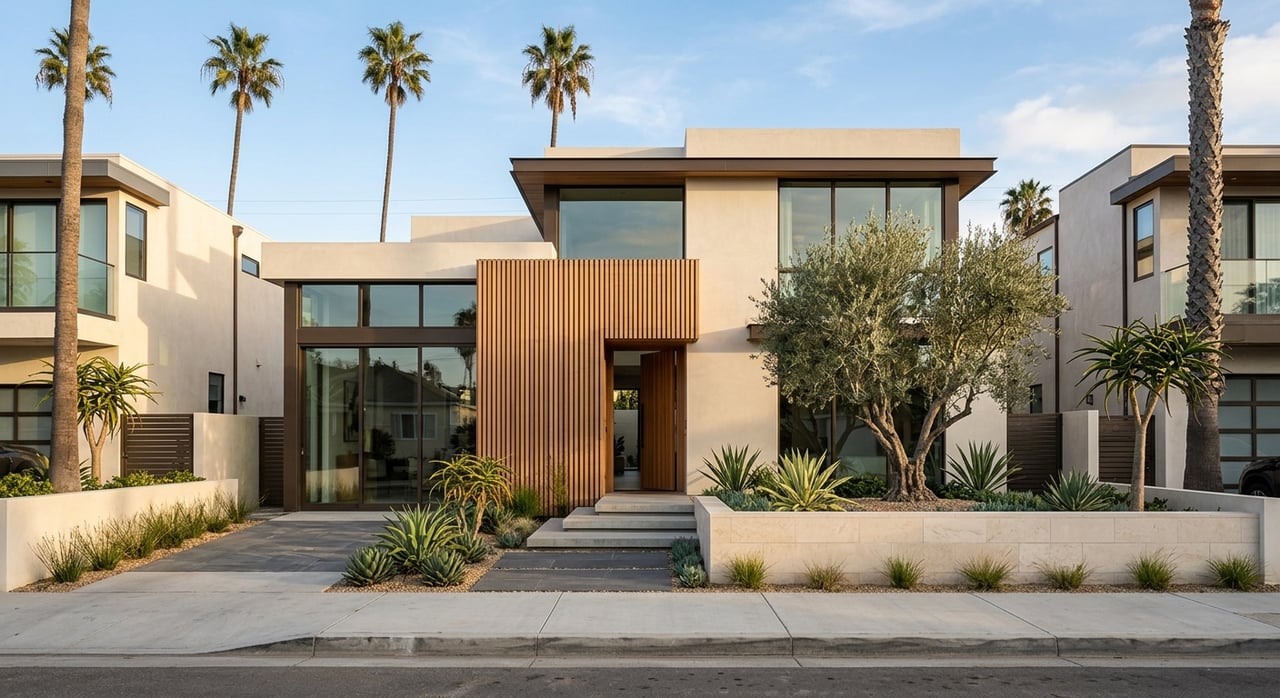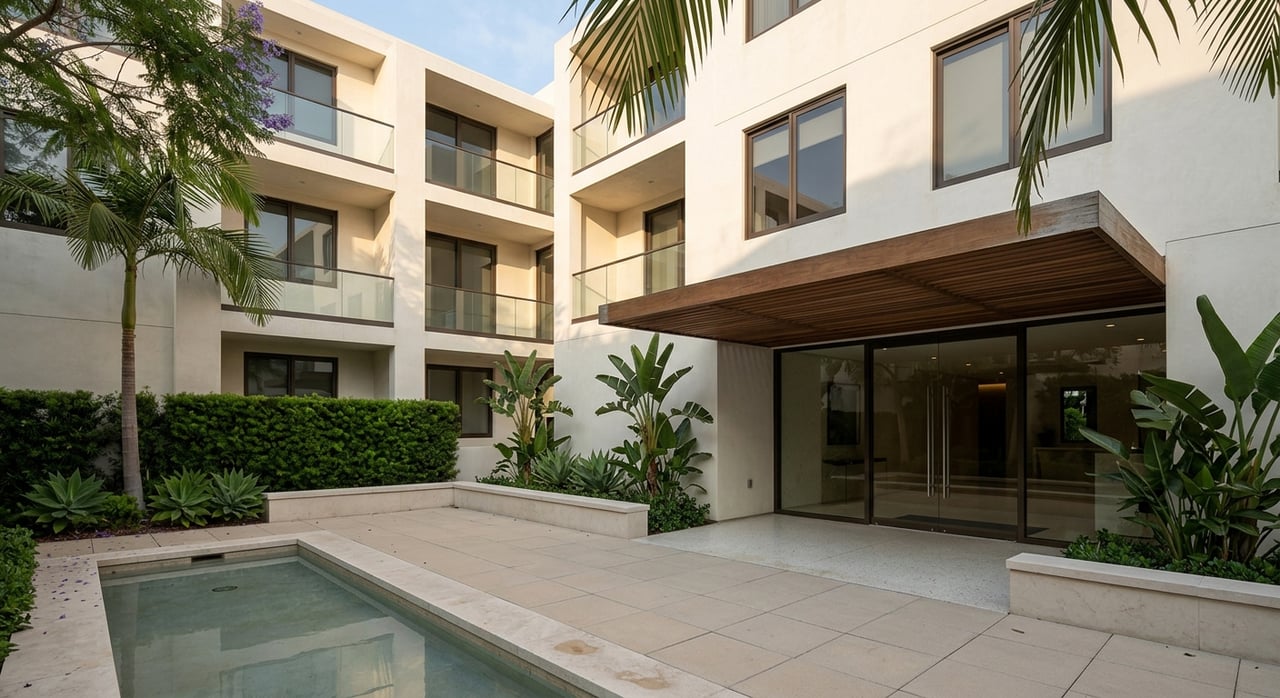
Thinking about buying a condo in West Hollywood? You are not just choosing a unit. You are choosing a building, an HOA, a block, and a daily lifestyle that can change fast from one part of the city to the next. This guide will help you understand how West Hollywood condos differ, what to review before you buy, and which details matter most when you want to make a smart, confident decision. Let’s dive in.
West Hollywood Condo Market Basics
West Hollywood gives buyers a wide spread of condo options rather than one standard product type. Current market snapshots show 188 condos for sale with a median listing price of $899,000 on Redfin, while Zillow reports an average home value of $1,011,463 and a median sale price of $999,917 citywide.
Those numbers are useful for context, but they do not tell the whole story. In West Hollywood, building quality, HOA health, and exact location often shape value as much as square footage or finishes.
Neighborhood-level data also points to meaningful price variation across the city. Zillow’s broader housing-value measures place areas like West Hollywood West and Norma Triangle above Center City and West Hollywood North, which reinforces how much micro-location can affect your search.
Building Types You Will See
West Hollywood condos span a broad range of common-interest development types. According to the California Department of Real Estate, these communities can include townhouse-style homes, garden-style units with shared walls, and multistory buildings, and there is no single standard structure.
That matters because your ownership experience may feel very different from one property to another. A smaller low-rise building may offer a quieter, simpler setup, while a larger mixed-use or multistory building may come with more shared systems, more amenities, and more moving parts.
Low-Rise Residential Buildings
Some condo inventory in West Hollywood feels more residential and intimate than buyers expect. The city’s zoning framework includes lower-density residential forms as well as medium-density multifamily districts that are typically 2 to 4 stories.
If you prefer a more tucked-away feel, this category may be worth a close look. These buildings can feel more like a townhouse or small community than a large urban complex.
Mixed-Use Corridor Buildings
West Hollywood also has mixed-use buildings in many commercial districts, especially along Santa Monica Boulevard, Beverly Boulevard, La Cienega Boulevard, Fairfax Avenue, and La Brea Avenue. Depending on the district, these buildings can range from 2 stories up to 8 stories.
For you as a buyer, this usually means a more urban setting. You may get stronger access to retail, dining, and transit, but the building experience can be more active and more connected to the street.
Sunset-Area Buildings
The Sunset corridor has its own planning framework through the Sunset Specific Plan. The city notes that this area includes segment-specific standards and selected sites that allow greater density and height.
A condo near Sunset Boulevard can offer a very different lifestyle than one on a quieter interior block. The tradeoff is often easier access and a more visible location in exchange for more corridor activity.
Why HOA Review Matters So Much
When you buy a condo in California, you also become a member of the homeowners association. That means the HOA’s finances, rules, and maintenance approach are not side issues. They are central to your ownership costs and future flexibility.
California law requires sellers to provide key HOA documents, including governing documents, budget materials, assessment and fee information, unpaid fines or penalties, unresolved violation notices, rental restriction language, and, if requested, board minutes from the prior 12 months. The latest inspection report required by law must also be provided.
Reserve Health and Special Assessments
One of the most important questions is whether the HOA is adequately funding future repairs. California’s budget disclosure requirements include reserve calculations and an Assessment and Reserve Funding Disclosure Summary, which are meant to show expected repair costs and whether the association is preparing for them.
If reserves are too low, owners can face special assessments, and in some situations emergency assessments. For many buyers, this is one of the clearest signals of future carrying-cost risk.
Insurance and Project Approval
The annual budget report also includes summaries of property, general liability, earthquake, flood, and fidelity insurance. It separately discloses whether the project is FHA- or VA-approved.
That said, the HOA insurance summary is not the same as full coverage for your unit. HOA policies may not protect interior finishes or owner improvements, so it is important to understand where the association’s coverage ends and your own policy needs begin.
Rules That Affect Daily Living
The HOA policy statement can reveal approval requirements for physical changes, dispute resolution procedures, and assessment collection practices. If you think you may want to lease the unit later, seller disclosures must also identify rental restrictions.
If EV charging matters to you, California law limits unreasonable HOA restrictions on charging stations and requires prompt written processing of applications. This can be especially important in West Hollywood, where parking and vehicle access can vary widely from one building to another.
Maintenance Responsibility
Maintenance is another area where condo buyers should slow down and read carefully. Unless the CC&Rs say otherwise, the HOA generally handles common areas, while you maintain your separate interest.
For exclusive-use common areas, the owner usually maintains the area while the HOA handles repair and replacement. In practical terms, this distinction matters if the unit includes features like balconies, patios, or roof decks.
How Location Changes the Experience
In West Hollywood, location is not just about prestige or price. It changes how the building feels, how easy it is to get around, how much street activity you live near, and what your day-to-day routine looks like.
Eastside and Santa Monica Boulevard
The Eastside Community Priorities Plan covers about 25% of West Hollywood’s total land area. The city identifies Santa Monica Boulevard as the main arterial through the Eastside, with retail and commercial uses on both sides.
If you want a corridor-oriented setting with more mixed use and stronger transit proximity, this area may stand out. It tends to offer a more active street environment than smaller interior pockets.
Sunset Strip and Sunset Boulevard
The city describes Sunset Boulevard as a major artery and entertainment district. The corridor is managed through a specific plan that guides development by segment and allows increased density and height at selected sites.
For buyers, this often means a distinct tradeoff. A Sunset-adjacent condo may offer access, visibility, and a strong sense of place, but it can also bring more exposure to corridor intensity.
West Hollywood West and Norma Triangle
If you are looking for a smaller-scale setting, west and northwest residential pockets may feel very different from the main corridors. The city’s West Hollywood West overlay and Norma Triangle design guidelines reflect a focus on context-sensitive development.
Norma Triangle is described by the city as a 173-parcel northwest neighborhood with narrow, tree-lined streets, one- and two-story buildings, and close proximity to shops and restaurants. These areas often appeal to buyers who want a more residential feel within the city.
Design District and Nearby Corridors
The West Hollywood Design District covers about 2.5 miles along Melrose Avenue, Beverly Boulevard, and Robertson Boulevard. The city’s streetscape plan emphasizes pedestrian-scale lighting, trees, curbside parking, and new sidewalk paving.
For condo buyers, this area can offer an urban setting with a strong street presence. If walkability to design, retail, and dining destinations matters to you, this is a location worth comparing closely.
Parking and Transit Deserve a Closer Look
Parking is a bigger condo-buying factor in West Hollywood than many buyers expect. The city’s permit system is district-based, visitor permits are free, and on-street parking is first come, first served, even with a permit.
That means you should look closely at whether a unit has assigned or deeded parking, how guest parking works, and how easy building access feels in real life. In some purchases, parking can matter just as much as the interior layout.
Transit can also shape your daily experience. West Hollywood offers free Cityline commuter and local buses, free weekend nighttime WeHo PickUp service along Santa Monica Boulevard, and Metro Bus and Rail connections.
The city’s transportation demand management program is designed to support walking, biking, transit use, and ridesharing. If you want flexibility beyond driving, transit access is a real location variable rather than just a bonus feature.
A Smart West Hollywood Condo Checklist
Before you move forward on any condo, it helps to compare buildings with the same discipline you use to compare units. A polished kitchen can be appealing, but it should never distract from the basics.
Use this checklist as a starting point:
- Review HOA governing documents and current fees
- Read reserve disclosures and look for funding gaps
- Ask about recent or possible special assessments
- Confirm insurance summaries and project approval status
- Check leasing restrictions if future flexibility matters
- Understand maintenance responsibility for balconies, patios, or decks
- Verify assigned, deeded, or guest parking details
- Visit the block at different times of day
- Compare corridor exposure versus interior residential setting
- Evaluate transit access and daily convenience
What Matters Most in the End
In West Hollywood, the right condo is rarely just about finishes or bedroom count. The bigger differentiators are often the building’s structure, the HOA’s financial health, the parking setup, and the exact block-level environment.
That is why a strategic buying process matters here. When you compare the unit, the HOA, and the location together, you put yourself in a much stronger position to buy with clarity.
If you want a clear, tailored approach to buying in West Hollywood, Jennifer Purdue offers strategic guidance grounded in local market knowledge, polished communication, and a long-term view of value.
FAQs
What should condo buyers review in a West Hollywood HOA package?
- You should review the governing documents, current fees, budget materials, reserve disclosures, unpaid fines or penalties, unresolved violations, rental restrictions, requested board minutes from the prior 12 months, and the latest inspection report required by law.
How do West Hollywood condo locations differ from one area to another?
- Condo locations can differ by corridor exposure, mixed-use intensity, transit access, parking realities, and whether the setting feels more residential and low-rise or more urban and street-oriented.
Why are condo reserves important when buying in West Hollywood?
- Reserve disclosures help you understand whether the HOA is saving enough for major repairs, and weak reserves can increase the risk of future special assessments.
What parking questions should West Hollywood condo buyers ask?
- You should ask whether parking is assigned or deeded, how guest parking works, and how much you may need to rely on district-based street parking that is not guaranteed.
Are all West Hollywood condos high-rise buildings?
- No. West Hollywood condo inventory includes lower-scale residential buildings, townhouse-style forms, garden-style units, mixed-use buildings, and some taller multistory projects depending on the zoning district.
What makes West Hollywood condo buying more complex than it first appears?
- The biggest factors are often not visible in listing photos, including HOA finances, maintenance responsibility, insurance details, parking setup, transit access, and the building’s exact location context within the city.