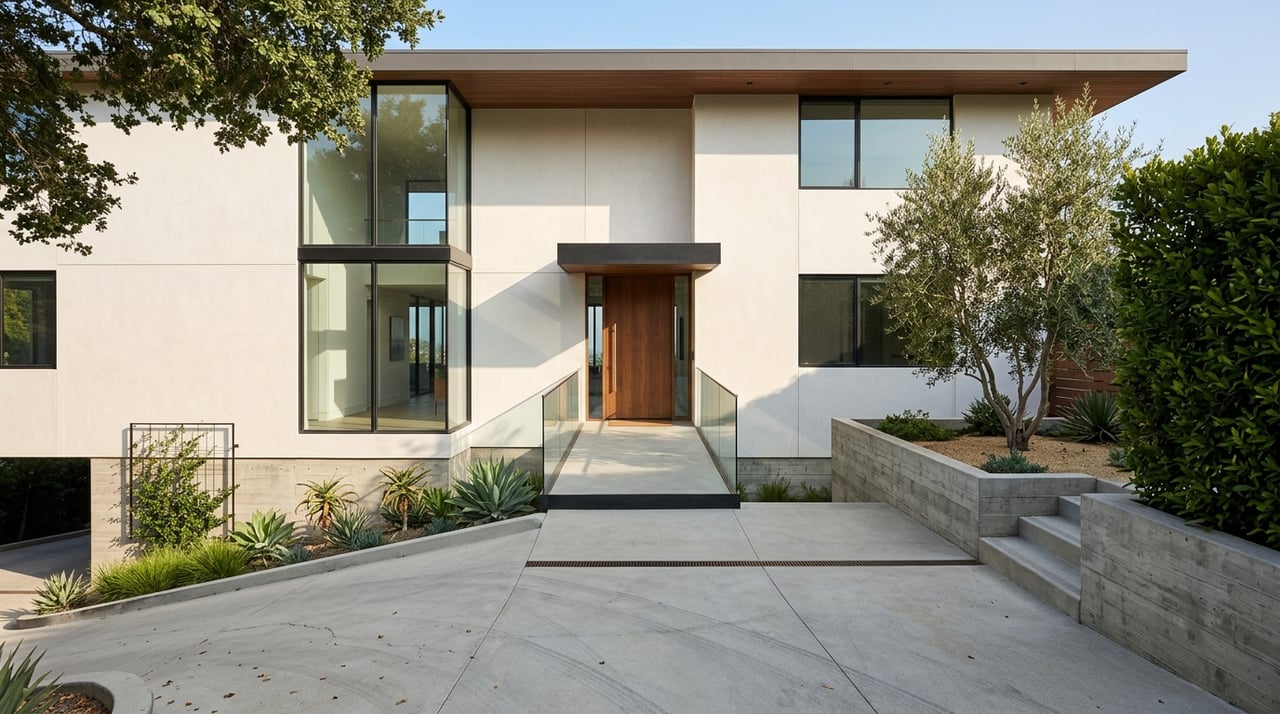
If you are thinking about buying a view home in Hollywood Hills, it helps to know that not all views, streets, or hillside settings live the same way. A dramatic perch can look perfect in photos but feel very different once you factor in access, privacy, outdoor space, and the rules tied to the lot. This guide will help you look past the view alone so you can choose a home that fits both your lifestyle and the realities of the hills. Let’s dive in.
Hollywood Hills Is Not One Thing
Hollywood Hills is better understood as a collection of hillside enclaves rather than one uniform neighborhood. City materials describe the area as stretching across the Cahuenga Pass within the Santa Monica Mountains, with sub-areas that include Beachwood Canyon, Laurel Canyon, Mt. Olympus, Hollywood Dell, Nichols Canyon, Lake Hollywood Estates, and the Hollywood Sign area.
That distinction matters when you are buying a view home. One pocket may feel closely tied to the Hollywood basin, while another may be shaped more by canyon access, ridge conditions, or parcel-specific design controls. In practical terms, your day-to-day experience can change quickly from one street to the next.
The current Hollywood Community Plan also gives important context for buyers. It directs more growth toward transit-served parts of Hollywood and away from hillsides and lower-density neighborhoods, while also strengthening subdivision controls in the hills, protecting ridgelines, and expanding retaining wall controls. For a buyer, that means hillside character is not accidental. It is actively shaped by planning rules that can affect what gets built nearby and how a property may be altered over time.
What Makes a View Home Worth Buying
A great Hollywood Hills view home is usually defined by fit, not just elevation. The strongest purchase is often the home where the view, access, architecture, and lot conditions all work together for the way you actually live.
Many buyers begin with the view itself, which makes sense. In the hills, orientation often matters less as a simple compass point and more as a question of what your main exposure opens toward. Some homes frame the basin and city lights, some look into a canyon, and others pull toward Valley-facing outlooks.
That difference can shape the mood of the home. A broad basin view may feel cinematic and open, while a canyon setting may feel more tucked in and private. Neither is automatically better. The right choice depends on whether you want drama, intimacy, sunset exposure, or a quieter visual backdrop.
Elevation, Privacy, and Usability
Higher is not always better. Hollywood Hills is full of memorable homes perched above the street or set on steep slopes, and Los Angeles architectural examples show just how dramatic these sites can be. But a more elevated lot can also come with tradeoffs that affect daily comfort.
A high perch may increase privacy and extend the depth of the view. At the same time, it can create tougher driveway geometry, more stairs, less usable flat yard space, and more reliance on retaining walls. The city’s hillside regulations exist partly because these communities have constrained access and geotechnical sensitivity, so the practical details matter as much as the wow factor.
When you tour a property, pay attention to how the site works beyond the living room glass. Ask yourself whether the outdoor areas are actually usable, whether guest parking will be easy, and how comfortable the path from street to front door feels. A home that photographs beautifully can still feel challenging if the lot is doing too much work.
Architecture Matters in Hollywood Hills
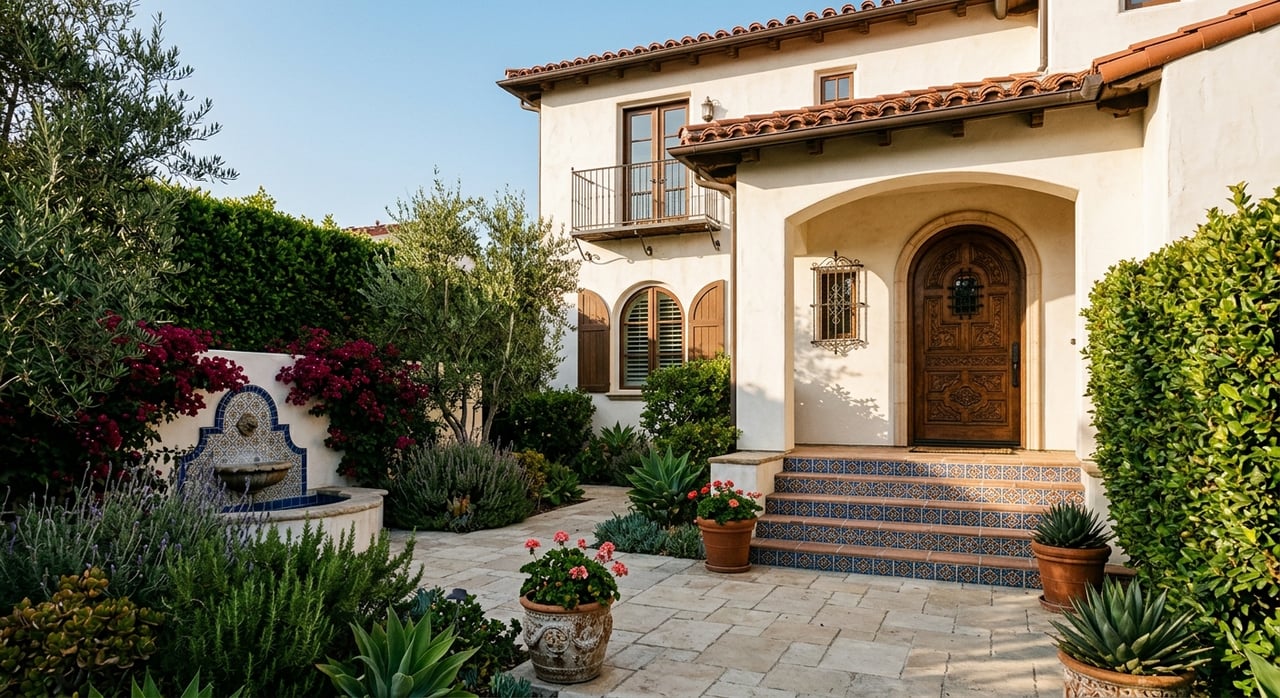
Hollywood Hills has an unusually rich architectural mix, and that is part of its appeal. Survey work for Hollywood notes that the hills include more elaborate Spanish Colonial Revival residences as well as later Mid-Century Modern and Modern homes.
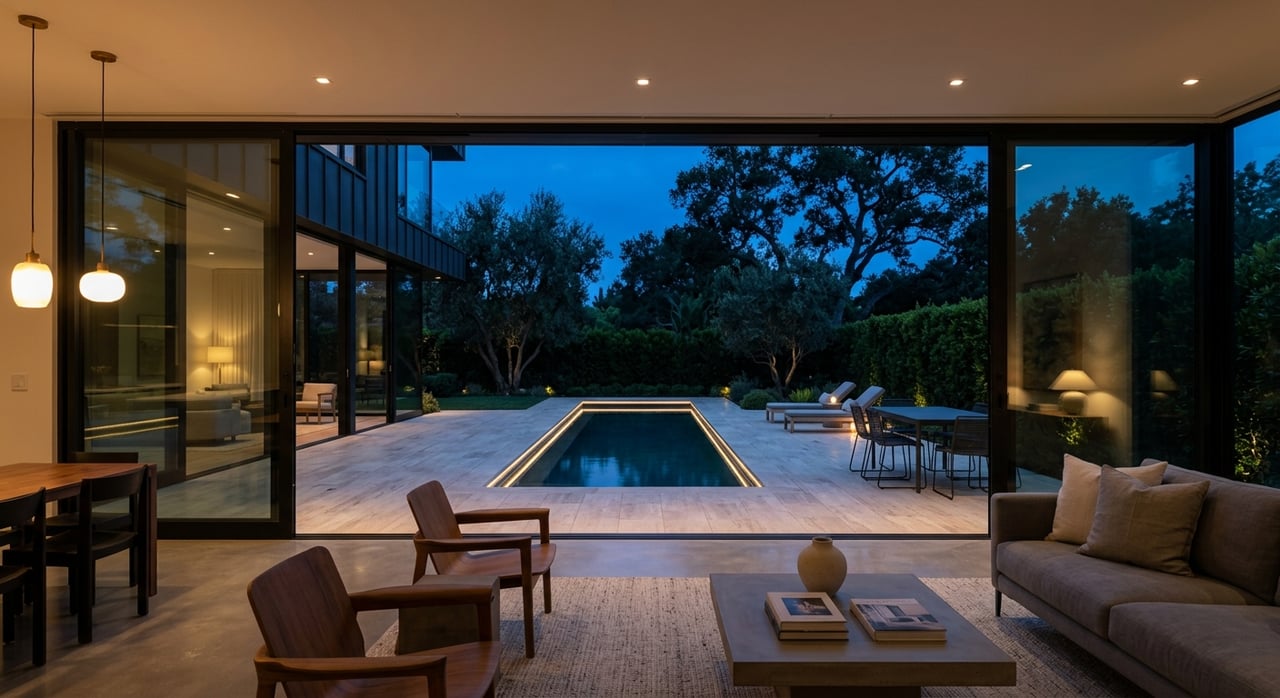
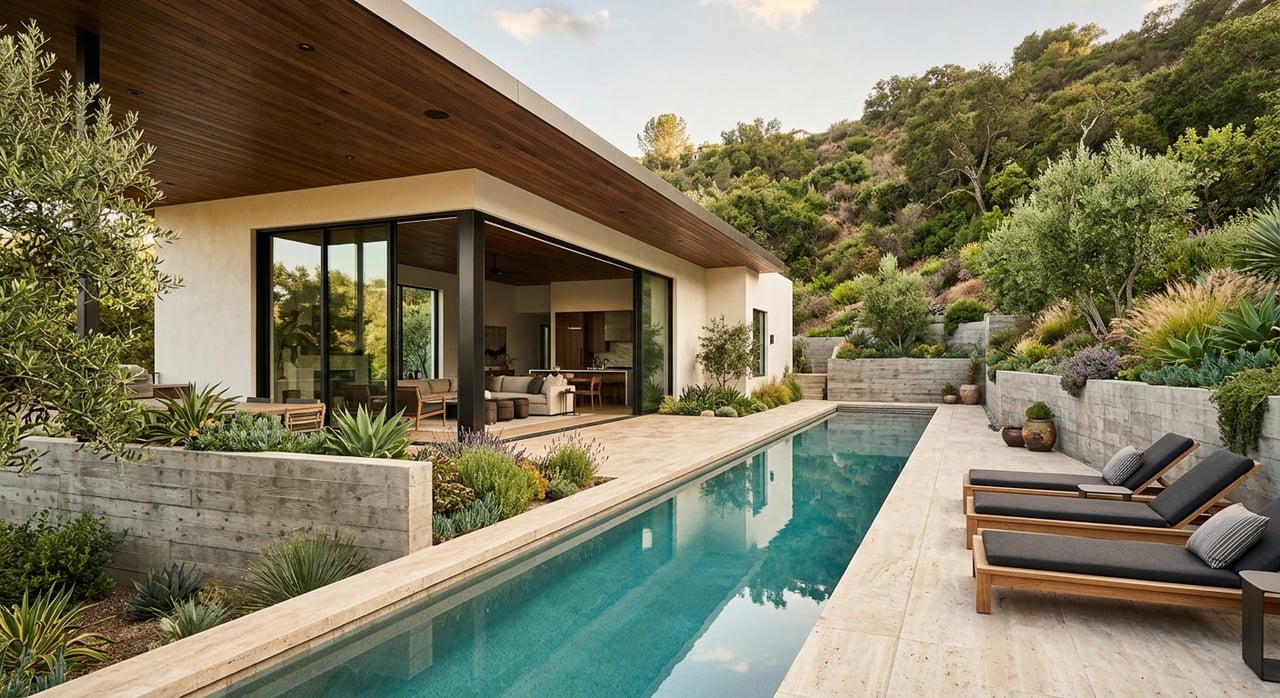
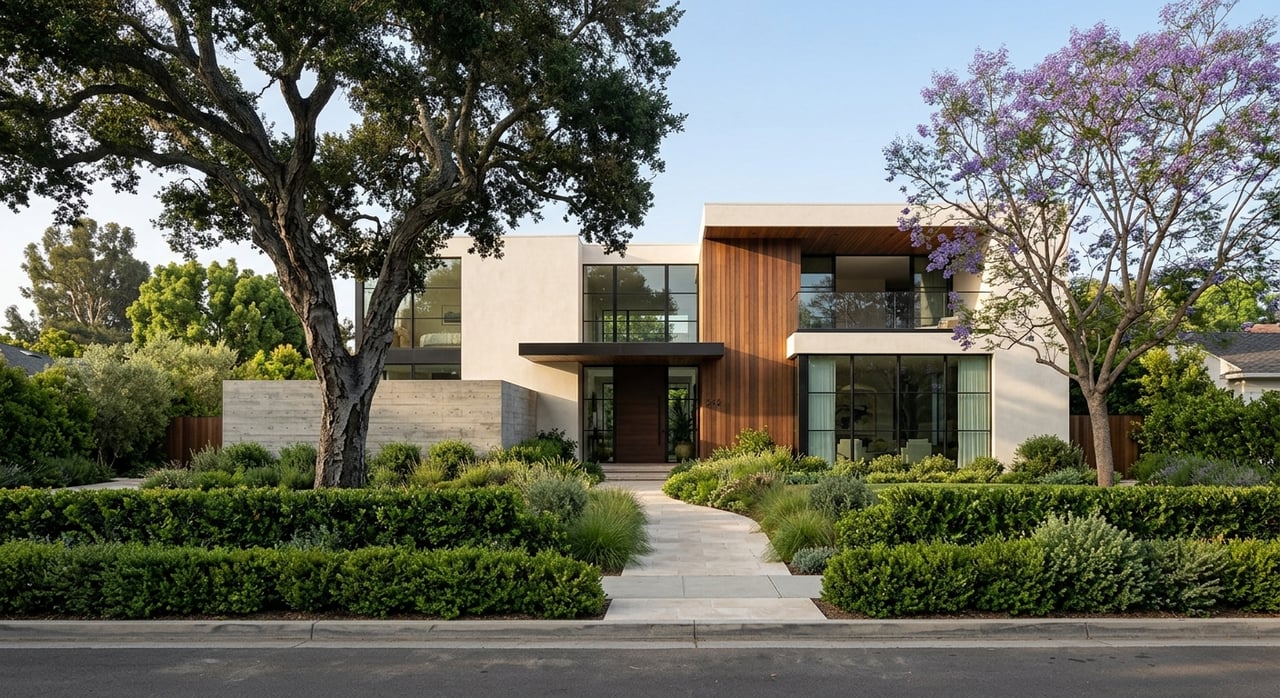
For view-home buyers, the modern side of the market often stands out most. Important hillside homes in and around Hollywood helped define indoor-outdoor living through floor-to-ceiling glass, open plans, flat roofs, large overhangs, and direct access to terraces or gardens. Those design choices are not just aesthetic. They are what allow a home to fully engage with a hillside site and a city-facing view.
That is why layout matters so much during your search. A home with large glass walls and a strong connection to outdoor space may deliver a better living experience than a higher home with a less thoughtful plan. In Hollywood Hills, architecture and topography should work together.
Indoor-Outdoor Living Should Feel Natural
The best view homes in Hollywood Hills usually make the transition between inside and outside feel effortless. You want the main living spaces, kitchen, and primary suite to connect naturally to terraces, decks, or other outdoor areas instead of treating the view as something you only admire from one room.
This is especially important in a hillside setting. If the lot is steep and the outdoor areas are fragmented, you may end up with a home that feels visually exciting but less functional for entertaining, relaxing, or everyday use. A more balanced home often wins in the long run.
As you compare properties, consider questions like these:
- Does the main entertaining space open directly to the view?
- Is there usable outdoor square footage on the same level as the living area?
- Do the windows frame the setting well, or do they only hint at it?
- Does the home feel connected to the site, or simply placed on it?
Check Parcel-Specific Rules Early
One of the biggest mistakes buyers make in Hollywood Hills is assuming every hillside property follows the same rules. In reality, some parcels are affected by added layers of review or special planning controls.
The Hollywood Community Plan area includes overlays and regulations that can affect view-home purchases, including the Hollywoodland Specific Plan, the Mulholland Scenic Parkway, the Hillside Construction Regulation SUD, and historic preservation overlays. Depending on the property, those rules may influence design review, building-permit clearance, hillside construction standards, ridgeline considerations, retaining walls, and other site-related decisions.
This matters even if you do not plan to build right away. If your long-term vision includes remodeling, expanding, or reworking the outdoor space, parcel-specific controls can shape what is realistic. Early review helps you avoid buying a home based on assumptions that do not match the property’s planning context.
Access Can Change the Entire Experience
In Hollywood Hills, access is not a minor detail. It is one of the central tradeoffs of buying in the area.
Some routes connect more directly to the Hollywood basin, while others are tied to cross-mountain travel or ridge roads. City planning materials describe Cahuenga Pass as the historic transition from the urban core to the Valley, with Cahuenga Boulevard serving as an alternate entrance to the Valley. Laurel Canyon is also a key route, but city traffic analysis notes that topographic constraints have limited parts of it from developing to secondary-highway standards, and some stretches are narrow and winding.
Mulholland Drive adds another layer to the picture. The city treats it as a scenic ridge route that should remain low-intensity, low-volume, and slow-speed while protecting mountain, ocean, and city views. That can be a major lifestyle plus, but it also reinforces that some of the most beautiful locations in the hills are not built for speed or convenience.
What to Look for During a Tour
A polished showing can make almost any view home feel irresistible. To stay grounded, focus on the details that affect daily life.
Here are smart points to evaluate during a Hollywood Hills tour:
- Street approach and turning ease
- Driveway steepness and entry comfort
- Garage access and guest parking practicality
- Amount of flat, usable outdoor space
- Relationship between primary rooms and the view
- Privacy from nearby homes or roadways
- Presence and scale of retaining walls
- How naturally the architecture fits the lot
These details may sound practical, but they often separate a home that only looks impressive from one that lives well over time.
Hollywood Hills Versus Nearby Hillside Markets
Hollywood Hills is not the only Los Angeles hillside market, but it has a distinct identity. Compared with Bel Air-Beverly Crest, it sits within a different community-plan context even though both areas attract buyers looking for privacy, elevation, and strong views.
Compared with Studio City and the Cahuenga Pass area, Hollywood Hills often feels more tied to the Hollywood basin and the entertainment core. That can influence both street character and commute patterns. Even where elevation and view potential seem similar on paper, the day-to-day feel may be very different.
That is why location decisions in the hills are rarely just about price point or architecture style. The better question is how a specific enclave supports your routines, priorities, and sense of place.
How to Choose the Right View Home
When you narrow your search, keep your focus on balance. The best Hollywood Hills purchase is rarely the home with the single most dramatic vantage point if it compromises too much elsewhere.
A strong choice often includes:
- A view orientation you will enjoy every day
- A site that offers real privacy without sacrificing access
- Architecture that opens naturally to the setting
- Outdoor space that is usable, not just present
- A driveway and arrival experience that feel manageable
- A clear understanding of parcel-specific planning controls
This kind of evaluation takes patience, but it protects both your lifestyle and your investment. In a market as nuanced as Hollywood Hills, the right home is usually the one that feels composed from every angle, not just the one with the highest perch.
If you are considering a Hollywood Hills view home, working with a local advisor who understands luxury hillside properties can help you compare the details that matter most. For tailored guidance on buying, leasing, investing, or planning your next move in Los Angeles, connect with Jennifer Purdue.
FAQs
What makes Hollywood Hills different from other Los Angeles neighborhoods for a view-home purchase?
- Hollywood Hills is a cluster of hillside enclaves rather than one uniform neighborhood, and buyers may encounter different access patterns, topography, architecture, and planning overlays depending on the specific area and parcel.
What should buyers look for in a Hollywood Hills view home besides the view?
- Buyers should look closely at driveway access, usable outdoor space, privacy, retaining walls, lot position, and how well the architecture connects the main living areas to the view.
Why do planning overlays matter when buying a home in Hollywood Hills?
- Planning overlays such as the Hollywoodland Specific Plan, Mulholland Scenic Parkway, and Hillside Construction Regulation can affect design review, construction standards, and what may be possible if you want to remodel or expand later.
Is a higher elevation always better for a Hollywood Hills home purchase?
- No. A higher site may offer deeper views and more privacy, but it can also create tradeoffs such as steeper driveways, more stairs, limited flat outdoor space, and added site constraints.
How does access affect daily life in Hollywood Hills?
- Access can have a major impact because some roads are narrow, winding, or shaped by hillside conditions, which may influence commute patterns, guest arrival, parking ease, and overall convenience.
What architectural styles are common in Hollywood Hills view homes?
- Hollywood Hills includes a mix of Spanish Colonial Revival, Mid-Century Modern, and Modern homes, with many view properties emphasizing glass, open plans, and strong indoor-outdoor living.