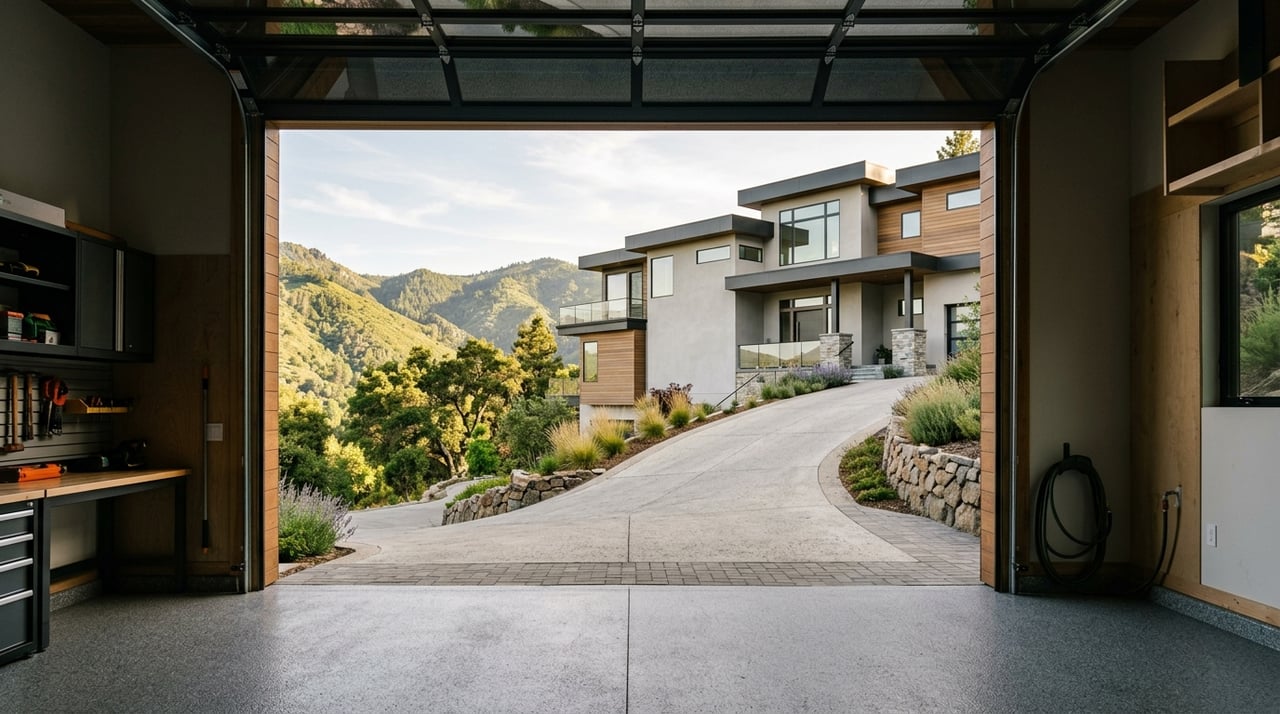
Wondering what it’s really like to live in a hillside home in the Hollywood Hills? The views can be stunning, the setting can feel tucked away, and the lifestyle has a distinct rhythm that is different from flatter parts of Los Angeles. If you are thinking about buying, selling, or simply getting a clearer picture of daily life here, this guide will walk you through the practical side of hillside living. Let’s dive in.
Hollywood Hills Setting
Hollywood Hills is shaped by its terrain as much as its address. City planning materials identify hillside communities within the Hollywood Community Plan area, and the western half of those hillsides is recognized as the Hollywood Hills.
What stands out most is the visual experience. City documents describe panoramic public vistas of the Santa Monica Mountains, surrounding hillsides, and the urban skyline, with focal views that can include the Hollywood Sign and Griffith Observatory.
The area also feels different because much of the surrounding land is designated as open space or low-density single-family residential. That low-density pattern helps explain why many hillside streets feel quieter and more removed than busier flatland corridors.
Views Shape Daily Life
In a Hollywood Hills home, the view often becomes part of your daily routine. On clear days, city planning materials note that panoramas may include downtown Los Angeles, the San Fernando Valley, the Hollywood Bowl, and in some locations even the Pacific Ocean.
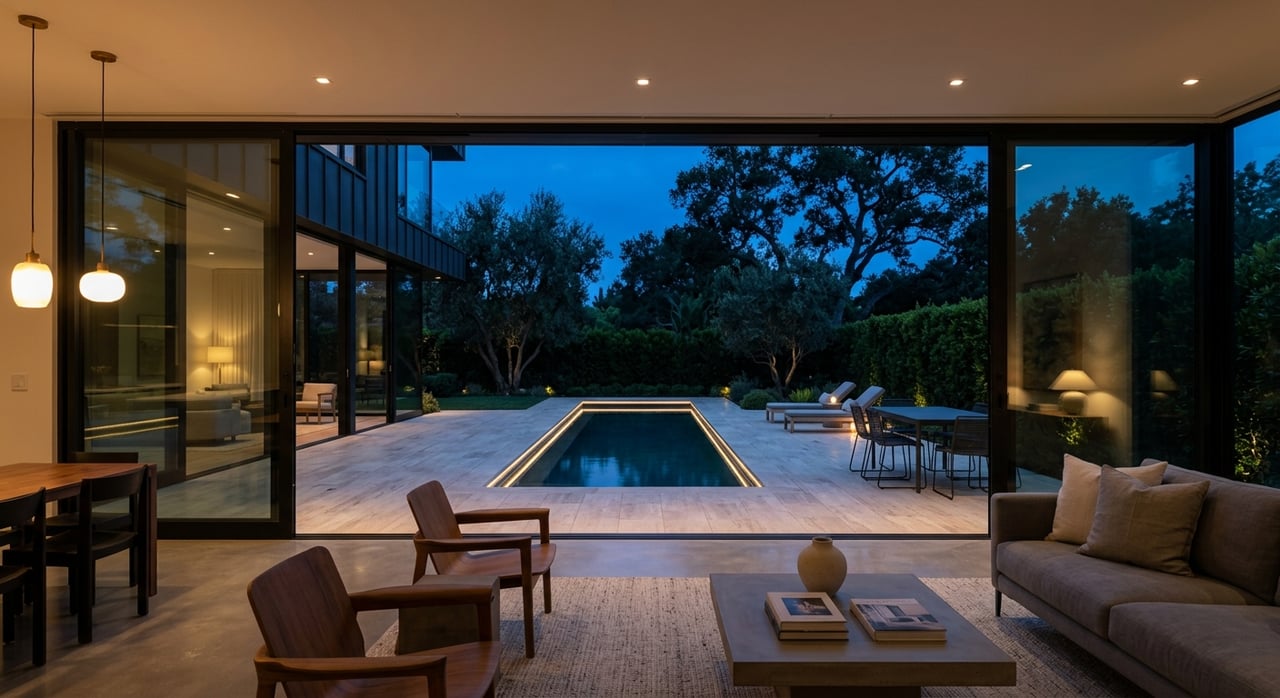
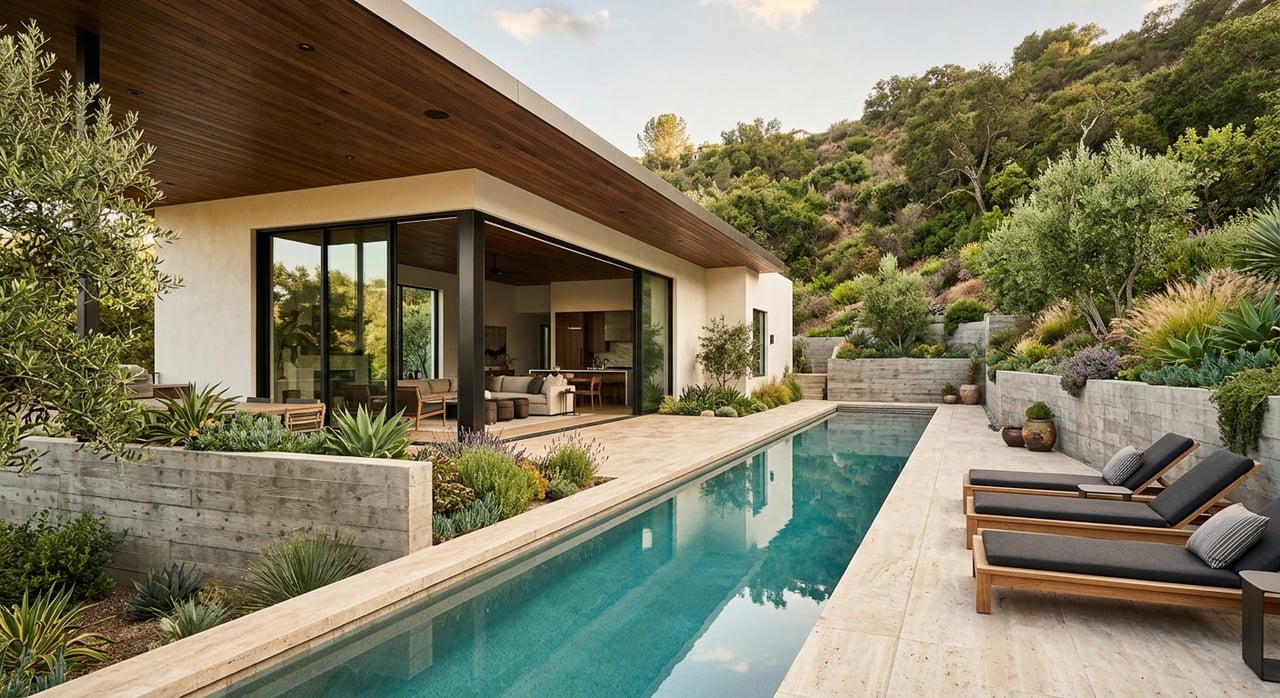
That setting can change how you use the home. Terraces, balconies, and outdoor dining areas often become the natural place to start your morning or host friends in the evening, especially when the lot takes advantage of elevation.
At the same time, it helps to stay realistic about what a view home offers over time. The City notes that view quality can shift due to trees, weather, elevation, and air quality, and private views are not protected.
Privacy And Atmosphere
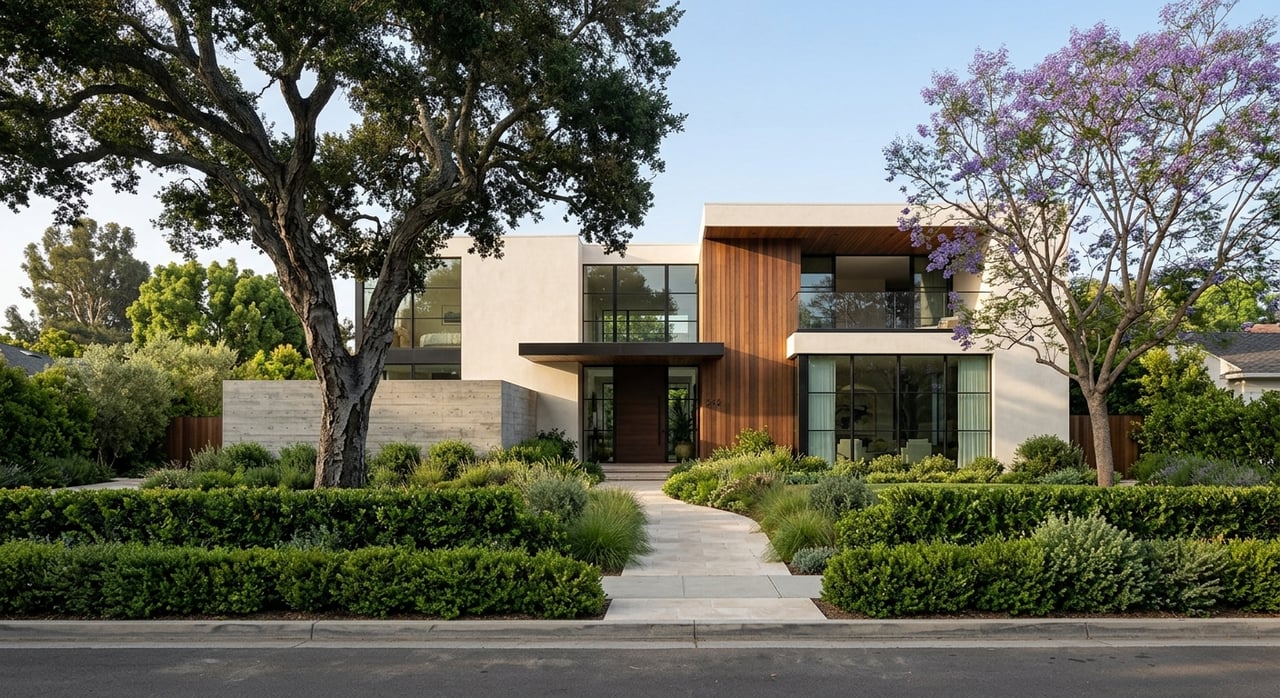
Many buyers are drawn to the Hollywood Hills because the area can feel private and tucked away. The combination of hillside topography, low-density development, and homes set above or below the street often creates a more secluded atmosphere than you may find in flatter neighborhoods.
That does not mean every property lives the same way. Some homes feel dramatic and open to the skyline, while others feel canyon-oriented and quiet, so the lot itself matters just as much as the architecture.
If privacy is important to you, it is worth looking beyond photos and touring the property at different times of day. Access, neighboring sightlines, and street layout all play a role in how private a home actually feels.
Hillside Roads And Access
One of the biggest adjustments in hillside living is getting comfortable with the road pattern. LAFD notes that areas with narrow roads, sharp curves, hairpin turns, and key intersections may be subject to Red Flag parking restrictions because parked cars can block emergency responders and trap residents during an evacuation.
That tells you a lot about normal life in the hills. A short drive home may include steep grades, tight turns, and streets where spacing matters more than it would in many other parts of Los Angeles.
For buyers, this is why access should be part of every showing. It is smart to notice how easy it is to enter the driveway, turn around, and move in and out of the street without stress.
Parking Takes Planning
Parking can be one of the most practical parts of living in a Hollywood Hills home. LADOT manages several parking tools across Los Angeles, including preferential parking districts, overnight parking districts, oversize-vehicle districts, colored curb zones, and street sweeping rules.
In real life, that means guest parking is rarely something to leave to chance. Before hosting, you may want to think through whether your block has permit requirements, posted restrictions, or street sweeping schedules that could affect where visitors leave their cars.
This matters even more on narrower hillside streets, where convenience and safety often overlap. A beautiful home can still have a learning curve when it comes to visitor access.
Red Flag Conditions Matter
If you live in the Hollywood Hills, Red Flag parking restrictions are important to understand. LAFD says the program has been active since January 1, 2006, and it is triggered when wind speeds reach 25 mph or more and humidity falls to 15 percent or less.
During those conditions, illegally parked vehicles can be towed. The purpose is straightforward: keep narrow and winding hillside streets clear so emergency vehicles can move through quickly if needed.
For homeowners, that means fire readiness is not just a seasonal headline. It becomes part of how you pay attention to alerts, parking habits, and the exact rules posted on your block.
The Home And The Site Both Matter
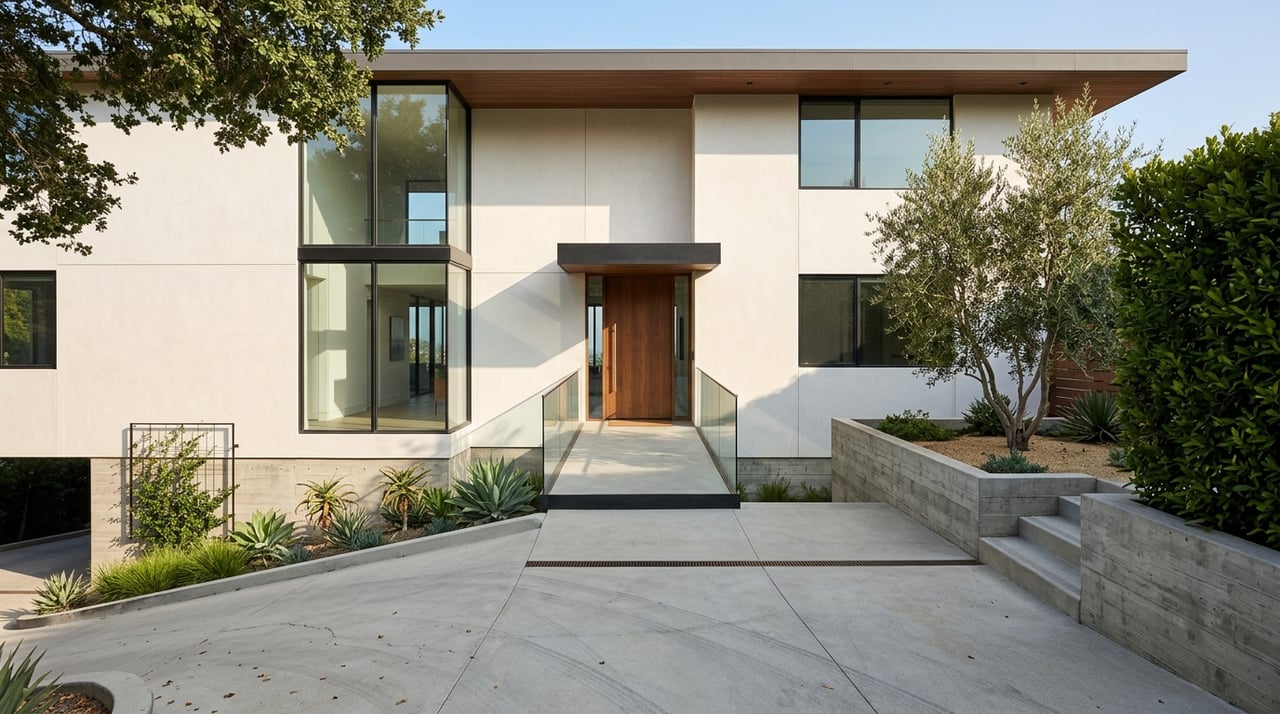
When you tour a hillside property, it is easy to focus on finishes, glass walls, and the view line from the living room. In the Hollywood Hills, the site itself can be just as important as the house.
The City’s Hillside Ordinance establishes rules related to setbacks, fire protection, lot coverage, parking, street access, sewer connections, and grading. The City has also clarified that hillside development must be truly accessible to fire and other emergency personnel.
That is why a smart buyer looks at the full picture. The experience of owning the home is shaped by the lot, the slope, the driveway, drainage, and access, not just the design details inside.
Slope And Drainage Deserve Attention
Steep lots require a different level of attention than flat ones. The California Geological Survey says landslide susceptibility is most affected by prior slope failure, rock or soil strength, and slope steepness.
That does not mean a Hollywood Hills property is automatically unstable. It means slope conditions, retaining walls, drainage, and hillside grading should be part of your inspection and due diligence conversation.
For many buyers, this is one of the biggest mindset shifts. Instead of asking only whether the kitchen or primary suite works for you, it also makes sense to ask how the land itself functions over time.
Remodeling In The Hills
If you are buying with plans to renovate, expand, or rebuild, hillside rules can affect your timeline and approach. City guidance states that hillside construction rules generally limit most construction to weekdays and allow only interior work on Saturdays.
Large-home projects can also trigger additional review. That can influence everything from planning expectations to how long a project may take once you own the property.
This does not make hillside remodeling impossible. It simply means you should evaluate future plans with the same care you give the current condition of the home.
How To Evaluate A Hillside Home
A strong showing in the Hollywood Hills should answer more than one question. You want to know not only whether the home is attractive, but whether the property will feel easy, enjoyable, and manageable in day-to-day life.
Here are a few practical things to pay attention to:
- Drive the route more than once, including after dark if possible.
- Check how easy it is to enter and exit the driveway.
- Notice street width, curves, and available guest parking.
- Review posted parking or sweeping signs on the block.
- Evaluate the view in different light and weather conditions.
- Ask about drainage, retaining walls, and site grading.
- Think about how often you host and how guests would access the home.
Those details may sound small at first, but they often shape your long-term experience more than staging ever could.
Why Hollywood Hills Buyers Need A Clear Strategy
Hollywood Hills homes can be compelling because they offer a rare mix of scenery, privacy, and architectural character. They can also require a more thoughtful buying process because road access, parking, slope, and view conditions all affect the lifestyle.
That is where local guidance becomes especially valuable. A polished home tour is important, but clear insight into the lot, the street, and the day-to-day realities of hillside living is what helps you make a confident decision.
If you are considering a hillside property in the Hollywood Hills, working with an advisor who understands both the lifestyle and the practical details can help you move with more clarity. To explore homes, buying strategy, or next steps, connect with Jennifer Purdue.
FAQs
What is daily life like in a Hollywood Hills hillside home?
- Daily life often revolves around hillside access, scenic views, and planning for roads and parking. Depending on the street, you may deal with steep grades, curves, and more thought around guest arrival than you would in flatter neighborhoods.
What should buyers know about parking in the Hollywood Hills?
- Buyers should pay attention to posted parking rules, permit districts, street sweeping signs, and how guests will park. On narrower hillside streets, parking logistics can be a regular part of living comfortably in the home.
What happens during Red Flag conditions in the Hollywood Hills?
- LAFD states that Red Flag parking restrictions apply when wind speeds reach 25 mph or more and humidity falls to 15 percent or less. During those conditions, illegally parked vehicles can be towed to keep emergency access routes clear.
Are views protected for Hollywood Hills homes?
- City planning materials state that private views are not protected. A view can change over time due to trees, weather, air quality, elevation, and surrounding conditions.
What should buyers inspect first in a Hollywood Hills hillside property?
- Buyers should evaluate both the house and the site. In many hillside homes, slope, drainage, retaining walls, driveway access, and street approach are just as important as interior finishes.
Can you remodel a hillside home in the Hollywood Hills?
- Yes, but hillside construction rules can affect how and when work happens. City guidance says most construction is generally limited to weekdays, with only interior work allowed on Saturdays, and larger projects may require additional review.